
Cricket Toss Betting: Impact on Match Odds
 Available in US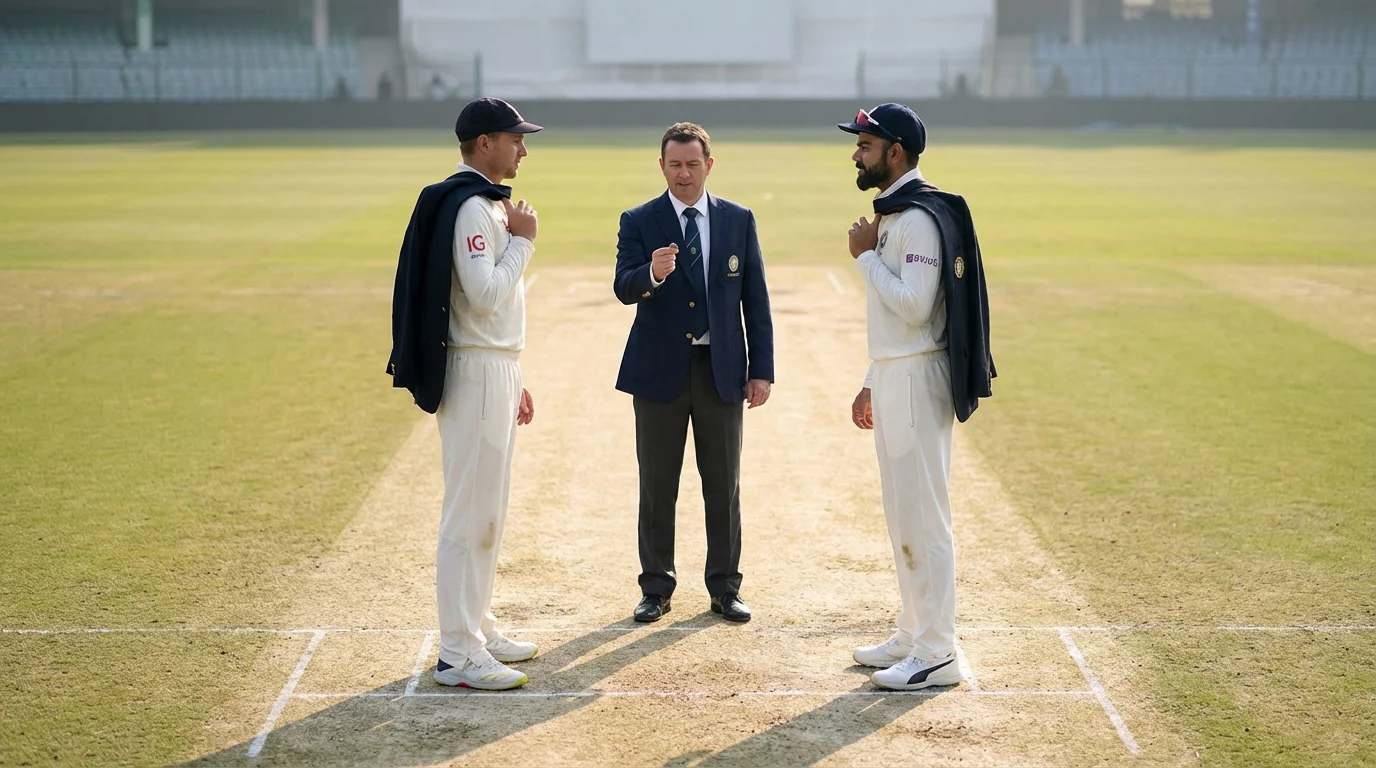
The coin toss in cricket is the last piece of information available before the match begins, and it moves the odds faster than almost any other pre-match event. In the seconds between the toss result and the first ball, sportsbooks reprice their markets based on which team won the call and what they chose to do. For bettors, this brief window is one of the most consistently exploitable moments in cricket wagering, provided you understand how the toss interacts with conditions, venue history, and format-specific dynamics. The toss is not equally important in every match. At some venues, winning the toss and batting first is a decisive advantage. At others, it barely registers. The key is knowing which matches fall into which category before the toss happens, so that when the result is announced, you can assess whether the odds adjustment was proportionate or whether the market over- or under-reacted.
Strategic Importance of the Cricket Toss
Cricket is one of the few major sports where environmental conditions change meaningfully during the match. The pitch deteriorates over time. Dew arrives in the evening. Overhead conditions in the morning differ from those in the afternoon. The toss gives one captain the ability to choose which set of conditions their team faces, and that choice can materially alter each side's probability of winning. In a sport where both teams play on the same surface but at different times, sequence matters. The team batting first on a fresh pitch faces different bowling conditions than the team batting second on the same pitch thirty overs later. The team bowling first under overcast skies with swing on offer has a different challenge than the team bowling second under clear skies with a dew-slickened ball. The toss determines this sequence, and the sequence shapes the match. The betting market knows this, which is why odds shift immediately after the toss. But the market does not always get the magnitude right. Sportsbook algorithms apply historical toss-win data to adjust prices, but those algorithms work from averages. They do not always account for the specific conditions on the day: how much grass the curator left on the pitch, whether the outfield is damp from overnight rain, or whether the forecast calls for dew that was not expected when the pre-match odds were set.
The Toss in T20 Cricket
T20 is the format where the toss conversation is loudest, and the data broadly supports the noise. At venues where dew is a factor, particularly in the Indian subcontinent and parts of the Middle East, teams batting second have a measurable advantage. The dew makes the ball wet, reduces grip for bowlers, and causes the ball to skid onto the bat, making run-scoring easier and death bowling harder. At these grounds, winning the toss and choosing to chase is not just a preference; it is a strategic imperative. The IPL provides the largest sample size. Across recent seasons, the team batting second at several Indian venues has won at a rate significantly above 50%, with some grounds showing a chasing win rate above 60%. Sportsbooks price this in, but the adjustment is often conservative, particularly early in a tournament before the season-specific data stabilises. If you track venue-specific toss data and compare it against the post-toss odds, you will find matches where the price does not fully reflect the chasing advantage. Not every T20 venue favours the team batting second. Grounds at higher altitude, such as Johannesburg or Dharamsala, sometimes produce conditions where batting first and posting a total is the stronger option, especially if the pitch offers early bounce that flattens out under lights. The toss impact is venue-specific, not universal, and treating it as a blanket rule is a common analytical mistake.
The Toss in ODI Cricket
ODI cricket presents a more nuanced toss picture. The fifty-over format is long enough that conditions can change significantly during the match, and the impact of batting first versus second depends heavily on the specific venue and the quality of the two bowling attacks. Day-night ODIs add a dew variable similar to T20, though the longer format dilutes its impact somewhat. A team chasing under lights with a dew-affected ball has an advantage in the death overs, but if they lost early wickets and are five down chasing 290, the dew is not going to save them. The toss is one input in the ODI equation, not the dominant factor. Sharp bettors treat it accordingly, weighting it proportionally rather than treating every ODI toss result as a market-moving event.
The Toss in Test Cricket
Test cricket is where the toss carries its most complex implications. The five-day format means the pitch passes through multiple stages of deterioration, and the team that bats last faces the most difficult surface. Winning the toss and batting first on a pitch that will crack and turn by day four is a genuine structural advantage, particularly in the subcontinent where spin becomes the dominant force on deteriorating surfaces. However, the test match toss is not uniformly decisive. In England, Australia, and South Africa, where seam bowling dominates and pitches tend to offer more consistent bounce throughout the match, the toss advantage is smaller. Overcast conditions on day one might actually make batting first harder, giving the team that lost the toss and bowled first an early advantage that compounds as the pitch flattens for batting on days two and three. The draw adds a dimension that limited-overs formats lack. In test cricket, the toss influences not just which team is more likely to win, but the probability of all three outcomes. Winning the toss on a flat pitch and batting first might increase both teams' chances of a draw at the expense of decisive results, because the surface never deteriorates enough for bowling to dominate. Conversely, winning the toss on a pitch that is expected to crack significantly might increase the toss winner's chance of victory while reducing the draw probability. Smart bettors assess how the toss affects the three-way market, not just the head-to-head. The data on toss impact in test cricket varies by era and venue. Recent ICC pitch monitoring has led to more standardised surfaces, which has moderated the toss advantage at some traditionally spin-friendly grounds. But the fundamental dynamic remains: batting last on a day-five pitch is harder than batting first on day one, and the toss determines which team faces that challenge.
How Sharp Bettors Adjust After the Toss
The window between the toss and the first ball is typically thirty to forty-five minutes, and it is one of the most active periods for sharp betting activity. Here is how experienced bettors use that window. The first step is comparing the post-toss odds against a pre-toss assessment that already accounts for both toss outcomes. Before the toss, a sharp bettor will have two scenarios mapped: what the fair odds should be if Team A wins the toss, and what they should be if Team B wins. When the toss result is known, the bettor compares their pre-calculated scenario odds against the sportsbook's live adjustment. If the sportsbook has over-adjusted, there is value on the side that the market has moved against. If it has under-adjusted, the value is on the toss-winning side. The second step is factoring in the captain's decision. Winning the toss is only half the story. What the captain chooses to do with it provides additional information. If a captain wins the toss at a venue where the data strongly favours batting first and unexpectedly chooses to bowl, it suggests the team has information about the pitch that the market has not priced in. Maybe the surface has more moisture than expected, or the team trusts their bowling attack to exploit early conditions. Either way, the captain's decision is a signal worth interpreting. The third step is patience. Not every toss creates a betting opportunity. If the sportsbook's post-toss adjustment aligns with your pre-toss scenarios, there is no edge to exploit, and the correct play is to wait for the match to provide new information. Forcing a bet in the toss window simply because the odds moved is a common trap that discipline-focused bettors avoid.
Venue-Specific Toss Data Worth Tracking
Not all venues are created equal when it comes to toss impact. Grounds in the Indian subcontinent, particularly Chennai, Delhi, and Ahmedabad, show strong historical correlations between toss result and match outcome in test cricket. Venues in the UAE and Sri Lanka show similar patterns due to spin-friendly surfaces that deteriorate sharply. In contrast, grounds like Lord's, the MCG, and Centurion tend to show weaker toss correlations because conditions remain relatively consistent throughout the match. Seam-friendly venues in England and New Zealand can even invert the expected pattern, with teams choosing to bowl first on overcast mornings gaining an advantage.
The Thirty-Minute Edge
The toss is a single coin flip that carries outsized informational value. It is the last variable resolved before play begins, and it interacts with every other condition to reshape the probability landscape of the match. The bettors who profit from the toss are not the ones who bet on the toss result itself, which is pure chance, but the ones who have done the pre-match homework to know exactly how much the toss should move the odds at a specific venue under specific conditions. That preparation turns thirty minutes of market uncertainty into a repeatable edge.
