
Test Match Betting Guide: Strategies for Five-Day Cricket
 Available in US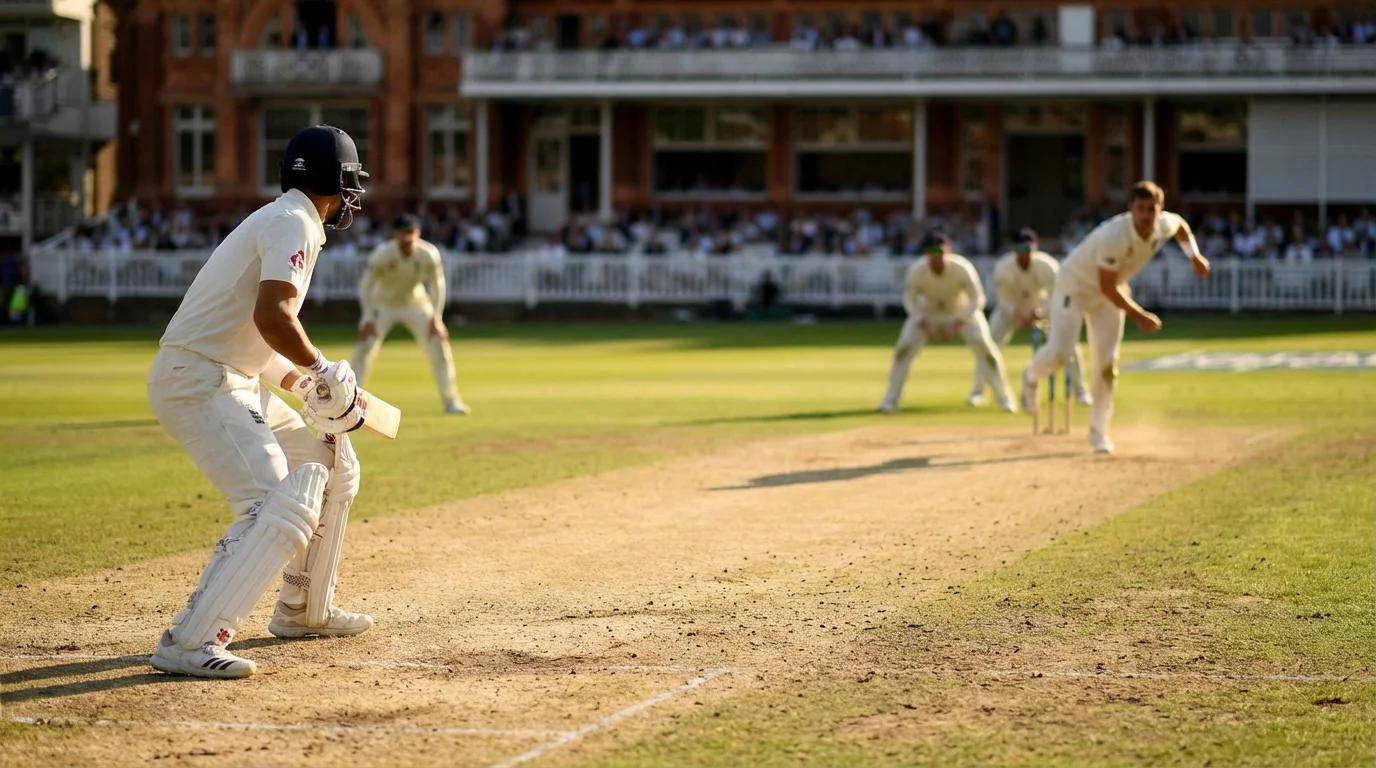
Test cricket is the format that makes purists emotional and casual fans impatient. It is also, from a betting perspective, the most strategically rich version of the game. Where T20 betting rewards quick reactions and tolerance for chaos, test match betting rewards patience, context reading, and a deep understanding of how conditions evolve over five days. The markets are different, the timeframes are longer, and the draw adds a third outcome that does not exist in limited-overs cricket. If your betting experience starts and ends with T20 match-winner wagers, test cricket will feel alien at first. The odds move slowly, the match situation shifts over sessions rather than overs, and the pitch itself becomes a character in the story. But once you understand the mechanics, test match betting offers edges that shorter formats cannot replicate, precisely because fewer bettors take the time to learn them.
Strategic Approach to Test Match Betting
The defining feature of test cricket from a betting standpoint is time. A T20 match resolves in three hours. A test can take five days, and the state of the match on day one bears only a loose relationship to the state on day five. Conditions change. The pitch deteriorates. The weather intervenes. Injuries accumulate. Batting becomes harder as cracks widen and the surface loses its pace and bounce. This extended timeline means the information landscape is constantly shifting, and each session provides new data that reprices the market. A team posting 350 on day one looks dominant. The same team watching the opposition reach 200 for one at stumps on day two looks vulnerable. By day three, the match could be evenly poised, tilting toward either side depending on the second innings batting order and the pitch report. Bettors who check the odds once and walk away are ignoring the format's greatest advantage: the ability to reassess and re-enter the market as new information materialises. The draw is the other structural difference. In limited-overs cricket, someone wins. In tests, the draw is a legitimate and frequently occurring outcome, particularly in matches affected by weather, played on flat pitches, or involving teams that bat deep and defend well. Ignoring the draw when pricing a test match is one of the most common mistakes in cricket betting. On a placid pitch in the subcontinent where both teams are expected to bat long, the draw might genuinely be the most probable outcome, yet sportsbooks often price it longer than it should be because casual money flows toward the two named teams.
Session Betting: The Market That Rewards Concentration
Session betting is unique to test cricket, and it is where the format's betting depth really shines. A test match day is divided into three sessions: morning, afternoon, and evening. Session markets typically let you bet on runs scored, wickets taken, or both within a defined session. The appeal of session betting is that each session is essentially a self-contained mini-match with its own conditions. The morning session on a day with overhead cloud and a green-tinged pitch plays completely differently from the afternoon session on the same day once the sun comes out and the surface flattens. If you understand how conditions evolve within a day, not just across days, session betting lets you exploit that knowledge in a way that match-winner markets cannot. Runs scored in a session is the most common format. The sportsbook sets a line, say 85.5 runs, and you bet over or under. The variables that drive this are batting lineup depth, bowling attack quality, pitch behaviour in that specific session, and whether the batting team is playing aggressively or defensively. A team chasing a draw on day five will bat very differently in the morning session than a team pushing for a declaration. Wickets in a session works similarly. The sportsbook sets a line, usually around 2.5 or 3.5 wickets depending on conditions, and you assess whether the bowling attack and pitch conditions are likely to produce more or fewer dismissals. Early-morning sessions with swing conditions and a fresh ball tend to produce more wickets than post-lunch sessions on flat pitches with a soft ball. The key to session betting is not trying to predict exact outcomes but identifying sessions where the line feels mispriced relative to the specific conditions. A morning session line of 75.5 runs on a day-four pitch where the surface is crumbling and the bowling team has two quality spinners might be significantly overestimating the batting team's scoring rate. That is a systematic edge, not a guess.
Pitch Deterioration and Its Effect on Betting Lines
No other format in cricket makes the playing surface a betting variable the way test matches do. A pitch on day one is a fundamentally different proposition from the same pitch on day four or five. Understanding how surfaces evolve is not optional for test match bettors; it is the single most important analytical skill you can develop. Green pitches with moisture assist seam bowlers early but typically flatten out as the moisture evaporates and the grass wears down. The team batting first on a green pitch often faces the toughest conditions, while the team batting third on the same surface might find it significantly easier. Sportsbooks price this in, but they frequently underestimate the degree of change, especially at venues where conditions shift rapidly. Dry, dusty pitches do the opposite. They start relatively benign and progressively favour spin bowling as cracks widen and the top layer breaks up. In the subcontinent, a pitch that offers nothing on days one and two can become almost unplayable by day four, with deliveries turning sharply and keeping low. If you are betting on a match in Chennai, Galle, or Dhaka, the fourth-innings batting difficulty is a critical input that the opening-day odds may not fully reflect. Pitches that crack unevenly create the most dramatic betting shifts. Variable bounce, where one ball keeps low and the next rears off a length, makes batting a lottery regardless of skill level. When you see this developing during a match, the draw market and the bowling team's odds both deserve fresh evaluation, because the probability of a quick collapse increases sharply once the surface becomes genuinely unreliable.
Patience-Based Strategies for Test Betting
Test match betting naturally rewards a more deliberate approach than T20 or ODI wagering. The match unfolds over days, and the optimal entry point for a bet is rarely before the toss. In most cases, waiting until the end of day one or even day two provides significantly better information than pre-match markets can offer. One approach that consistently produces value is targeting the draw market after day one in matches where conditions suggest a flat pitch. If both teams are expected to bat big and the weather forecast is clear, the draw starts as a reasonable probability. But if the team batting first posts a large total on day one without much trouble, the draw price often drifts because casual bettors pile onto the team that batted well. In reality, the flat pitch that allowed the big score is likely to do the same for the opposition, making the draw more probable, not less. Another patience-based strategy involves waiting for the toss and first-session conditions before engaging the match-winner market. The toss in test cricket is not always decisive, but at certain venues and in certain conditions it carries significant weight. Winning the toss and batting first on a pitch that will deteriorate removes the most difficult batting conditions from your equation entirely. The match-winner odds after the toss often better reflect this advantage than the pre-match line. Series betting is a longer-term alternative that smooths out the variance of individual matches. Betting on the series winner before the first test allows you to benefit from your assessment of overall team quality, while individual match results become less critical. This market is particularly appealing in series where one team is clearly stronger but the match-by-match variance of test cricket creates generous odds on the weaker side winning individual games.
Weather, DRS, and the Variables Most Bettors Ignore
Weather is a factor in every cricket format, but in test matches its impact is magnified. A full day lost to rain changes the probability landscape of the entire match. The draw becomes significantly more likely, and teams that were in strong positions may find themselves unable to force a result. Before placing any test match bet, check the five-day weather forecast for the venue. A prediction of rain on day four or five should directly influence your draw market assessment. The Decision Review System adds a subtle but real variable to test match betting. Teams with reviews remaining can challenge marginal LBW decisions or close catches, effectively giving their batters extra lives. A team with no reviews left in a tight situation is statistically more likely to lose wickets to close calls that stand.
The Art of Watching Paint Dry (Profitably)
Test cricket betting is not glamorous. There are no highlight-reel finishes every three hours, no constant dopamine hits from rapid-fire markets. What there is, instead, is depth. The format gives you five days of evolving information, markets that reprice in response to genuine changes in match conditions, and a structural complexity that most bettors find too slow to engage with. That lack of engagement from the crowd is exactly what creates the edges. The fewer people paying attention, the softer the lines. For bettors willing to watch closely and act deliberately, test cricket is the most underpriced format in the sport.
